



















AI vehicle inspection for rail operations
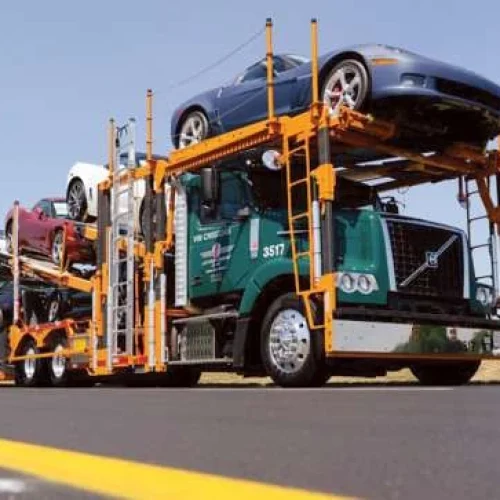
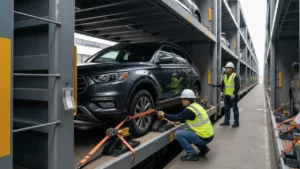
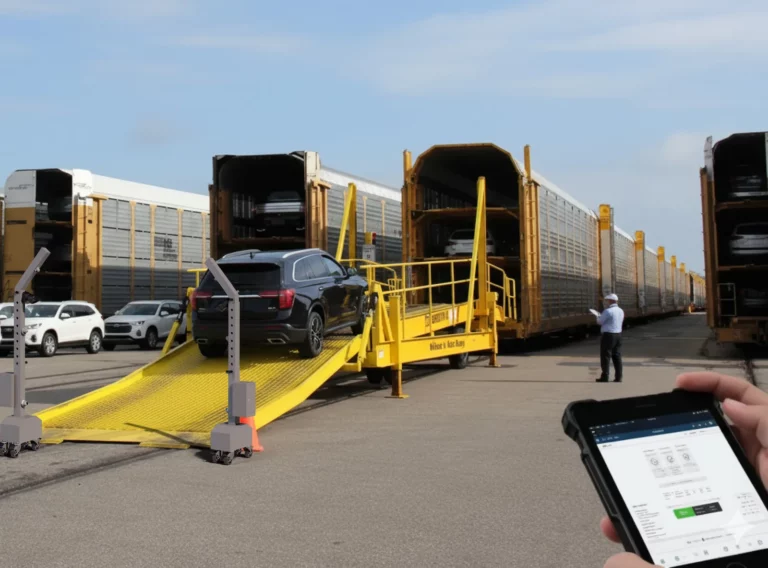
The Focalx rail module contains workflows for loading and unloading, and is customized for rail specific damage, vehicle spacing and securement exceptions, seal numbers on bi-level and tri-level railcars, and more.
Trusted across industries


Purpose-built for rail inspections workflows
Focalx specializes in rail workflows and reporting

Rail-specific workflows
Configure workflows by railcar type – bi-level or tri-level – with clear steps for load lines, vehicle positioning, and inspection points. Operators follow a guided flow that matches how ramps actually work.

Straps, chocks, and spacing – in detail
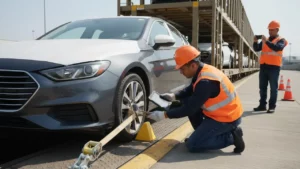
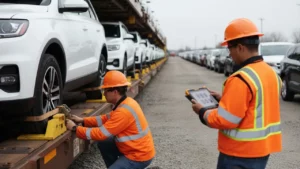
Document and verify securement elements like straps, wheel chocks, and vehicle spacing to ensure rail compliance and prevent in-transit damage.

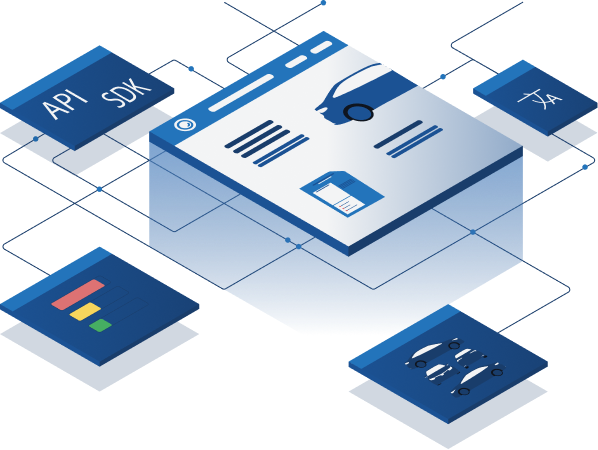
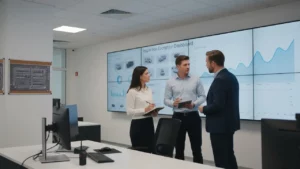
Dashboard views for railroads, ramp operators, and OEMs
Role-based dashboards give each stakeholder instant visibility into inspections, damage status, and operational performance.
More Accurate AIAG compliance
The leading damage management platform for Vehicle Logistics
Inspect: AI vehicle & securement inspections
Detect when vehicles get damaged or when they’ve been incorrectly secured.
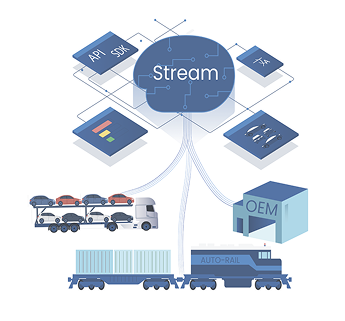
Stream: automated workflows
Automate tasks after inspections, internally and across collaborating companies, so issues are resolved faster.
Recover: faster claim adjudication
Auto-sync inspection and damage data directly into claims systems and forms for faster, more accurate adjudication.
Don’t pay for damage you didn’t cause
Inspections with damage found in FVL by Focalx AI
Increase in damage detection – AI vs. Human
More accurate AIAG compliance
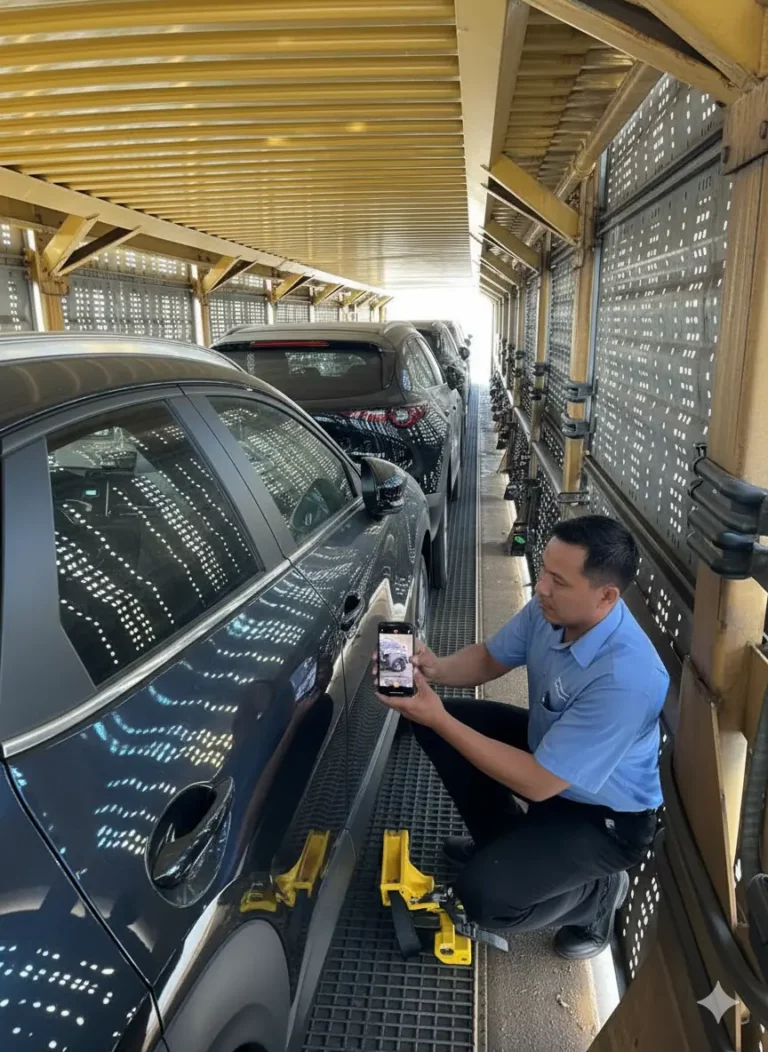
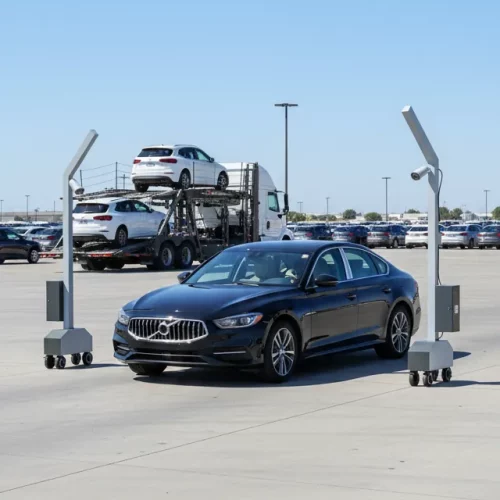
Inspections directly on the railcars
Operators capture photos on the railcars to detect:
- Vehicle damage
- Vehicle spacing and placement on the load line
- Securement exceptions (straps and chocks)
- Seal numbers and other identification details
Each photo is tied to VIN, railcar, and train, forming a clear audit trail.
Securement matters
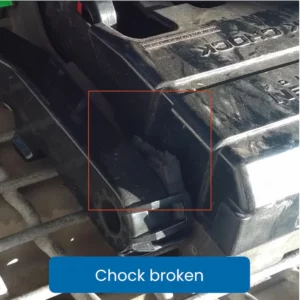
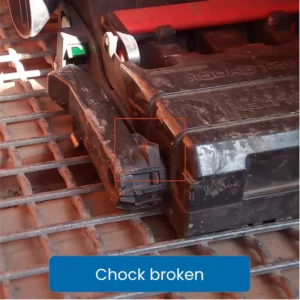
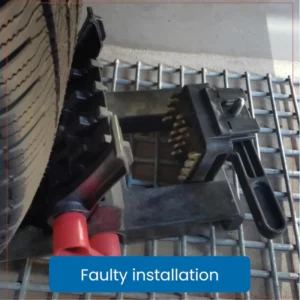
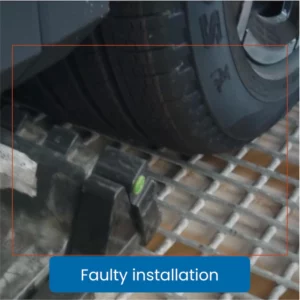
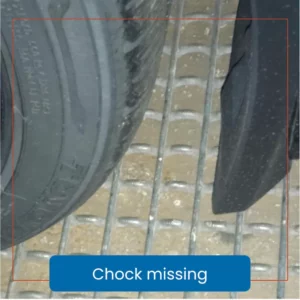
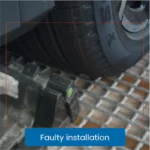
Examples of chock exceptions detected by our AI
Logged as a part of the handover inspection:
1HGBH41JXMN000000
61b7a674-9ba7-4d1e-92ea-b2587f9eb024
Faulty installation
Left front wheel
Wheel
New
Rail features ready to go
Read about some of our features for rail operations
Workflows for bi-level and tri-level railcars
Load line and spacing checks
Strap inspections (missing / loose / misrouted)
Chock inspections (broken / mis-placed / missing)
Integration-ready data for rail and OEM systems
Exception alerts before train departure
Multi-party coordination to get issues fixed on time
Dashboards by train, ramp, lane, operator, or OEM
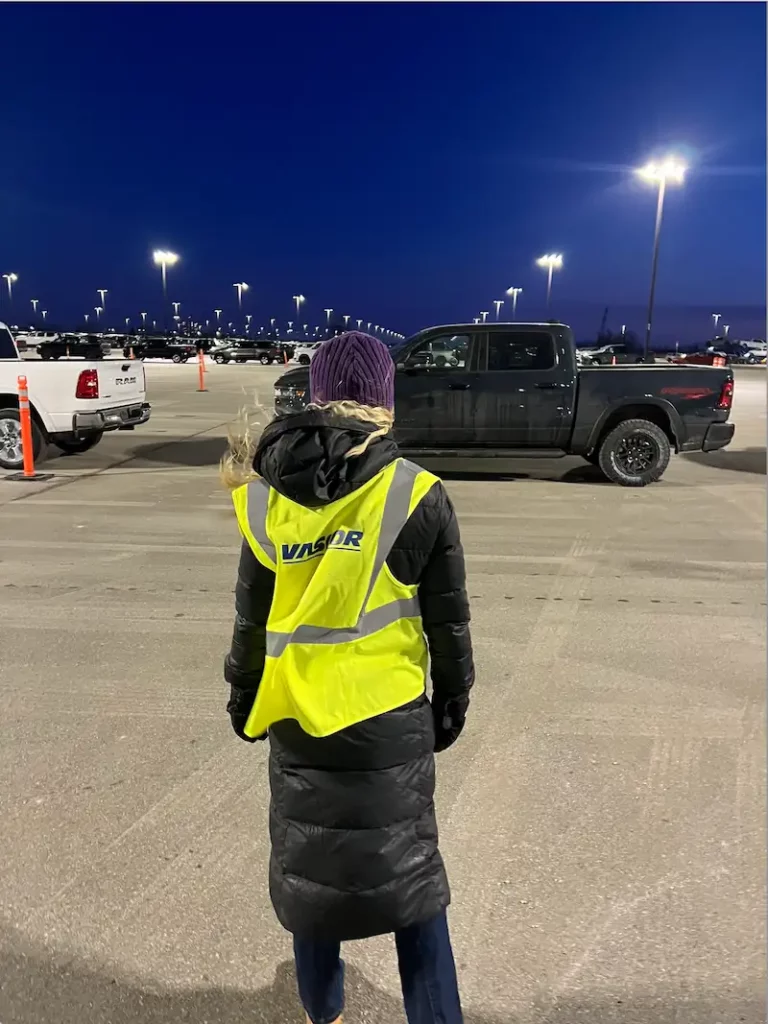
FocalX - VASCOR partnership
Through our partnership with VASCOR, a market leader in Finished Vehicle Logistics, Focalx brings AI inspections to operations across the US, Canada, Mexico, and India – helping vehicles move faster with fewer damage disputes.
Focalx and VASCOR partners for the North America market
Self-service data analytics software that lets you create visually appealing data visualizations and insightful dashboards in minutes.
Custom damage definitions
Different sectors use different standards. Focalx adapts to your coding and applies it consistently at scale.

Severity mapping
Severity mapping
Define what counts as damage for your business, or use multi-level scales. Focalx maps AI output to your catefories, mathing how your teams already work.

Industry-standard codebooks

Multi-standard support
You don't need the whole chain to get value
Focalx is built for the entire vehicle logistics chain – but you can start with the parts you control today.
Yard operations
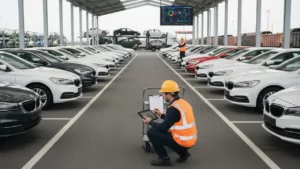
Standardized inspections and handover workflows inside your yards and compounds.
Rail operations
Railcar workflows for damage, spacing, securement exceptions, and seal numbers.
Haulway operations
Inspections every time a carrier picks up or delivers a vehicle, tied to VIN and responsibility.
Want to see how it works?
Join teams transforming vehicle inspections with seamless, AI-driven efficiency
Further reading
IT Didn’t Block the Rollout—Bad Rollout Design Did
Bad rollout design, not IT resistance, is usually what blocks a deployment because it tries to solve every dependency (hardware,...
What OEMs Actually Want From Logistics Providers (But Rarely Say Out Loud)
OEMs want logistics providers to deliver provable outcomes—especially around damage, handovers, and claims—not just well-written service descriptions. Finished vehicle logistics...
Stop Paying for Damage You Didn’t Cause
You stop paying for damage you didn’t cause by making liability decisions depend on standardized handover evidence rather than on...
The Cheapest Damage Is the One You Stop Before Departure
How do you stop damage before departure? You stop damage before departure by detecting exceptions at the last controllable point...
From Photo to Action: The Workflow Layer FVL Has Been Missing
Finished vehicle logistics moves from photo to action by treating every inspection photo as structured work: an exception that is...
The Case for ‘Securement Exceptions’ as a First-Class KPI
The case for ‘securement exceptions’ as a first-class KPI is that if you measure securement exceptions and fix rates, you...
Damage Doesn’t Start With Damage — It Starts With Securement
Damage often starts with securement, because securement is where preventable movement, contact, and load shift begin long before a scratch,...
AI as the New Differentiator in FVL Tenders (Profitability = Winning More Contracts, Not Just Cutting Cost)
How is AI becoming the new differentiator in finished vehicle logistics tenders, beyond cutting cost? AI is becoming the new...
A Simple Maturity Model for Vehicle Logistics Quality
A shared maturity model makes the journey to fast, damage-free delivery understandable and actionable by turning “quality” from an abstract...
The Surprise Truth About ‘Damage Prevention’
Damage prevention is not about finding more defects—it is about reducing repeat damage by turning inspection results into root-cause decisions...